The Skin-Brightening Benefits You Can Expect Glutathione IV therapy has gained popularity primarily for its impressive skin benefits: Overall brightening and evening of skin tone Reduction in hyperpigmentation and dark spots Diminished appearance of melasma Increased skin radiance and luminosity Potential reduction in acne and associated scarring Enhanced collagen production for firmer skin Potential Risks and Considerations While glutathione IV therapy is generally considered safe, its important to be aware of potential concerns: Temporary side effects may include abdominal discomfort, dizziness, or headaches Should be administered by qualified healthcare professionals only Not recommended during pregnancy or breastfeeding May interact with certain medications Results vary based on individual factors including genetics and lifestyle Optimal Frequency for Results For noticeable skin brightening results: Initial phase: 1-2 treatments weekly for 4-6 weeks Maintenance phase: Monthly treatments Special event prep: 1 treatment 2-3 days before your event Most clients report visible improvements after 3-4 sessions, with optimal results typically achieved within 2-3 months of consistent treatment
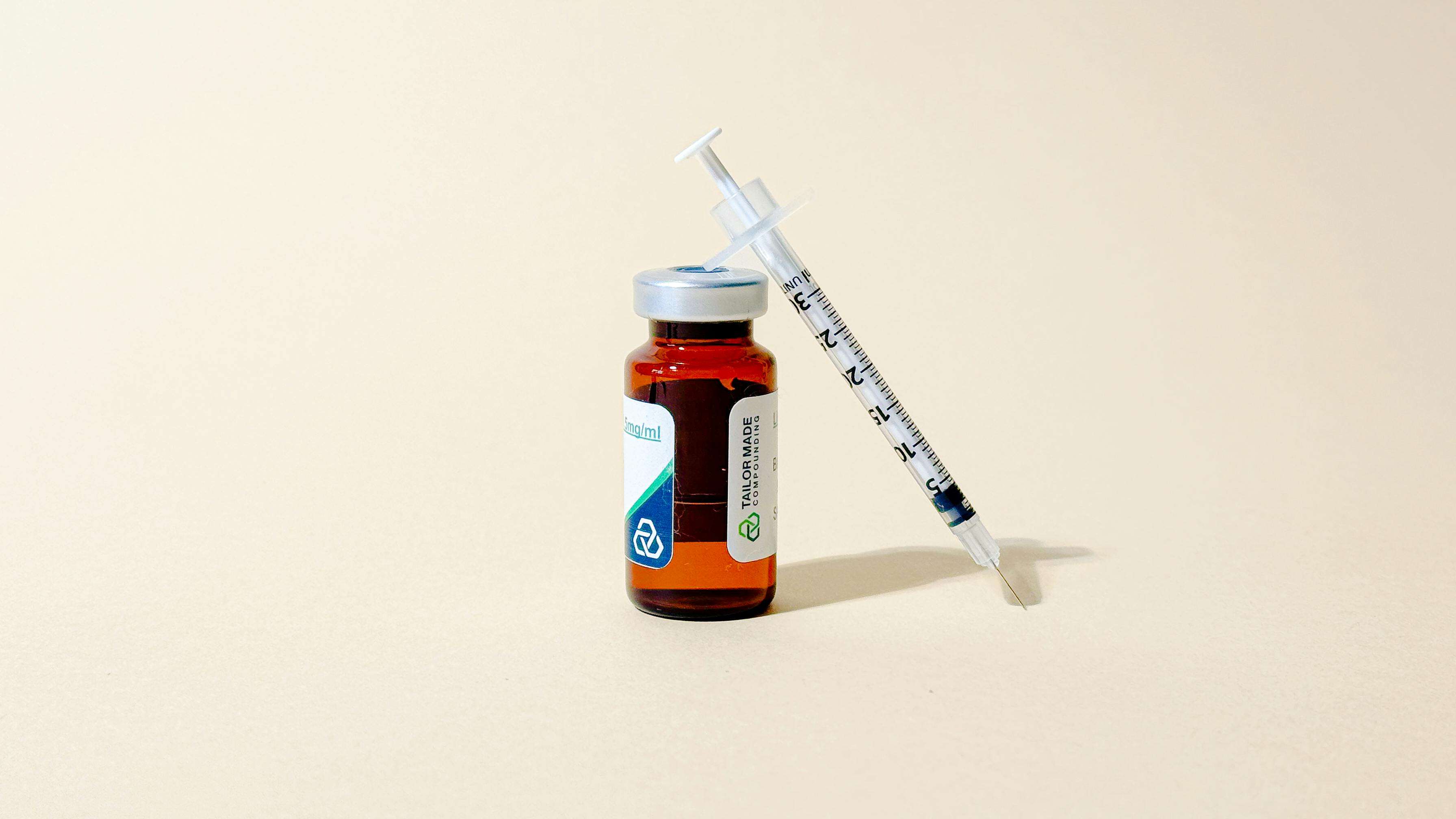
How many units is that on my syringe?" The answer depends entirely on your concentration, which itself depends on how much bacteriostatic water you added
Starting low and adjusting based on results and tolerance is the recommended approach
Healthcare providers must know these requirements for proper care
Uses of Hydroxocobalamin Injection Treatment of Vitamin B12 deficiency Management of pernicious anemia and megaloblastic anemia Supportive therapy in neurological disorders linked to B12 deficiency Antidote for cyanide poisoning (emergency use) Improves energy metabolism and neurological health Or all other approved indications How Does Hydroxocobalamin Injection Work
It is thought that portal hypertension (high blood pressure in the livers venous system) due to NAFLD may impair the kidneys ability to regulate sodium levels and blood pressure, triggering dysfunctional compensatory mechanisms and setting the stage for CKD