Vitamin B12 is essential to the human body
These nuclei coordinate communication between the central nervous system and the pituitary gland
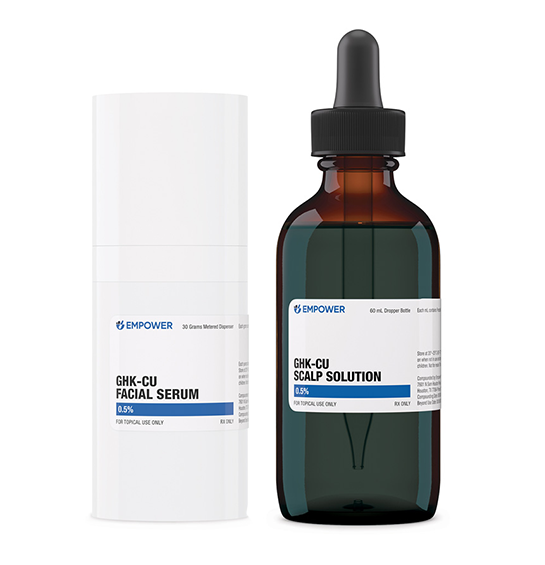
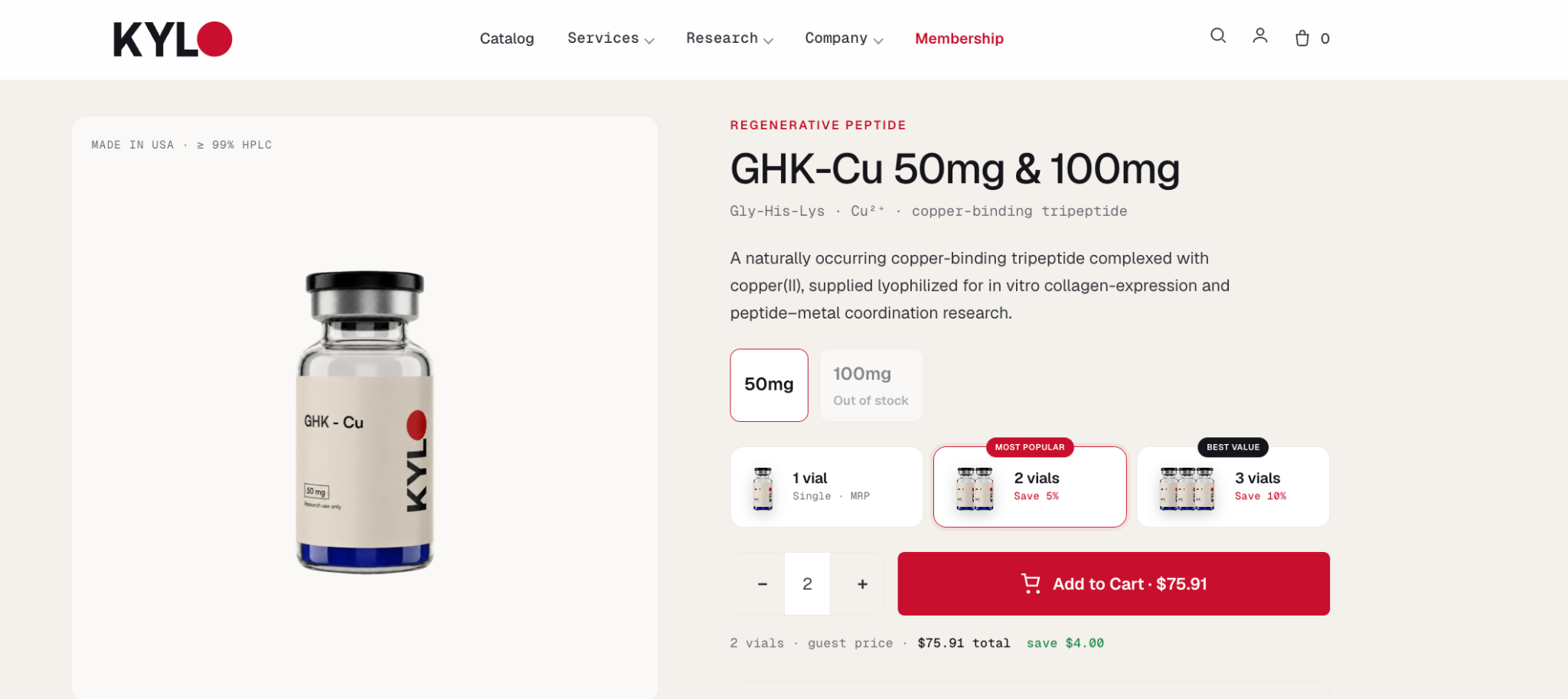
Glow Blend 70mg Mixing & Dosage Protocol GHK-Cu + TB-500 + BPC-157 Blend Skin-Integrity Tissue-Maintenance Recovery Regenerative Support Research For Research Use Only Composition GHK-Cu (Copper Peptide) 50mg TB-500 (Thymosin Beta-4 Fragment) 10mg BPC-157 10mg Total Peptide Content 70mg total peptide content Reconstitution (Mixing) Add 3ml bacteriostatic water to the vial Slowly inject the water down the inside wall of the vial Roll gently between palms until fully dissolved Do not shake aggressively Store reconstituted vial refrigerated at 28C Concentration Calculation 70mg mixed with 3ml bacteriostatic water provides a concentration of: Approximately 23.3mg/ml Quick Reference Every 10 units (0.1ml) 2.33mg Every 1 unit 0.233mg Syringe Measurement Guide Common Experimental Research Guidance Standard Research Protocol 2.3mg once daily (10 units) Approximately 10 insulin units Commonly investigated once daily via subcutaneous administration Frequently researched using a 5 days on / 2 days off structure Approximate Vial Duration One vial lasts approximately: 30 administrations Approximately 6 weeks at 5 weekly administration Higher-Frequency Experimental Research Protocol 2.3mg twice daily (10 units twice daily) Approximately 20 insulin units total daily Investigated in more intensive regenerative or recovery-focused research models Higher-frequency protocols are generally explored for shorter research durations
Even a single use dulls the tip and increases the risk of introducing bacteria into the vial or your body
Within this context, peptides such as KPV, BPC-157, and Thymosin Alpha-1 (TA1) are frequently examined in experimental models that explore how inflammation, tissue structure, and immune activity are coordinated at the cellular level
longer studies in disease models (for example, kidney aging) suggest benefits at defined doses, but comprehensive long-term safety pharmacology remains sparse in the public domain