Goat: For goats, this supplement is important in animals raised for meat or milk production

Decision Framework: Which to Choose The choice between BPC-157 and GHK-Cu depends entirely on the research question: Choose BPC-157 if: Research focuses on tissue repair, angiogenesis, or growth factor signaling Studying gastrointestinal, vascular, or musculoskeletal tissue contexts Recovery research is the primary application Research builds on the substantial BPC-157 preclinical research base Choose GHK-Cu if: Research focuses on gene expression modulation Studying skin biology, collagen synthesis, or dermatological research Anti-aging research is the primary application Research benefits from the largest published research base in the catalog Choose both (or combination formulations) if: Research includes both tissue repair and gene expression mechanisms Multi-mechanism combination research is the goal Skin biology research with tissue-repair components benefits from both pathways The GLOW Blend or KLOW Blend formulations match the research question Quality Considerations Both peptides share the same quality framework: Manufactured via Solid-Phase Peptide Synthesis with synthetic amino acids No animal-derived materials Independent third-party testing by Janoshik Analytical 99% HPLC purity per peptide Mass spectrometry identity confirmation Verifiable Janoshik unique keys For complete quality framework coverage, see How to Verify Peptide Quality and How to Read a Janoshik COA
Samman, P
Therefore, if youre unsure of your vitamin B12 levels or are showing symptoms of deficiency, vitamin B12 injections are the best way to get back on track
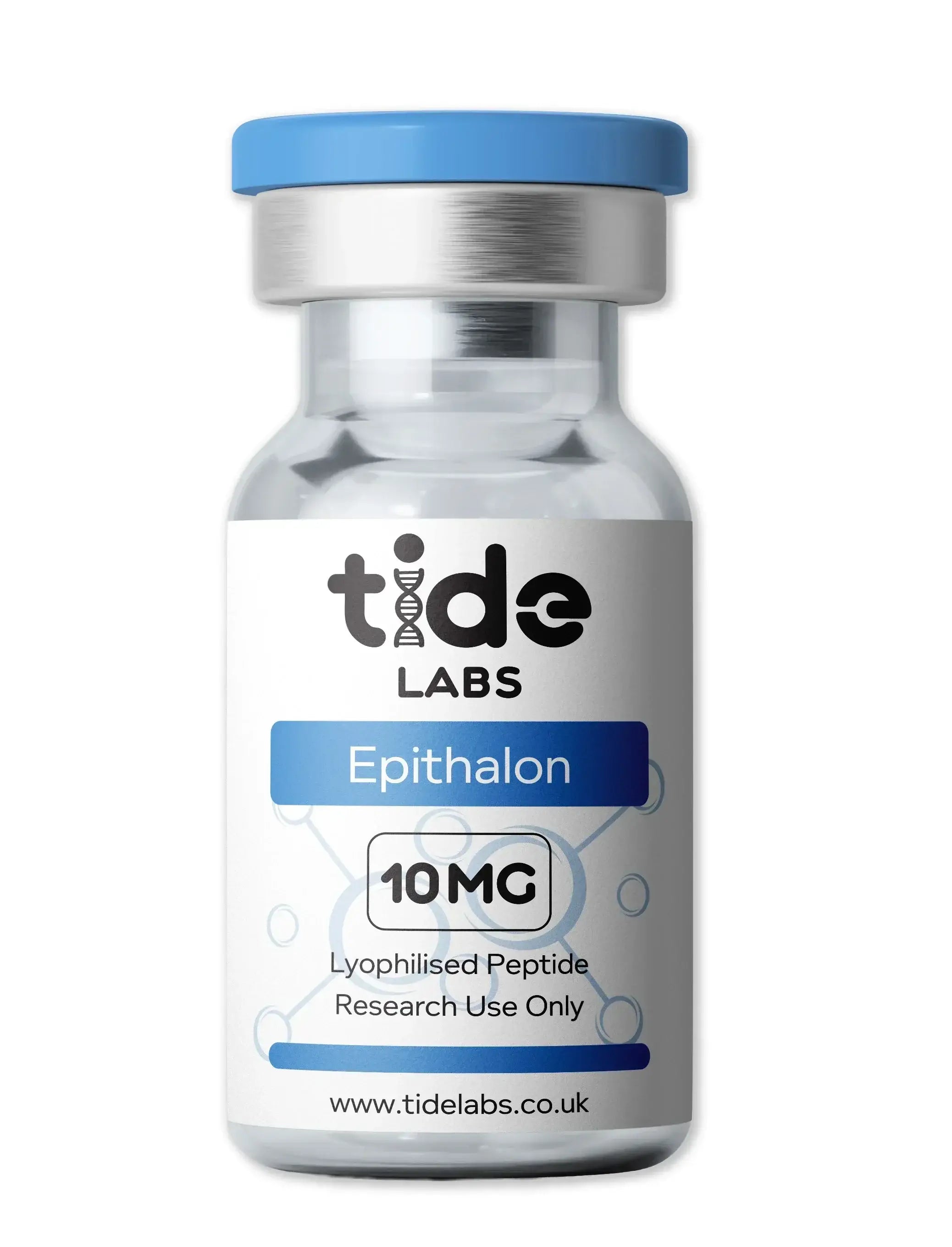
For exploratory studies or established protocols using both peptides, the blend simplifies logistics
Studied in preclinical models of tissue regeneration, angiogenesis, inflammatory signaling and gastrointestinal integrity