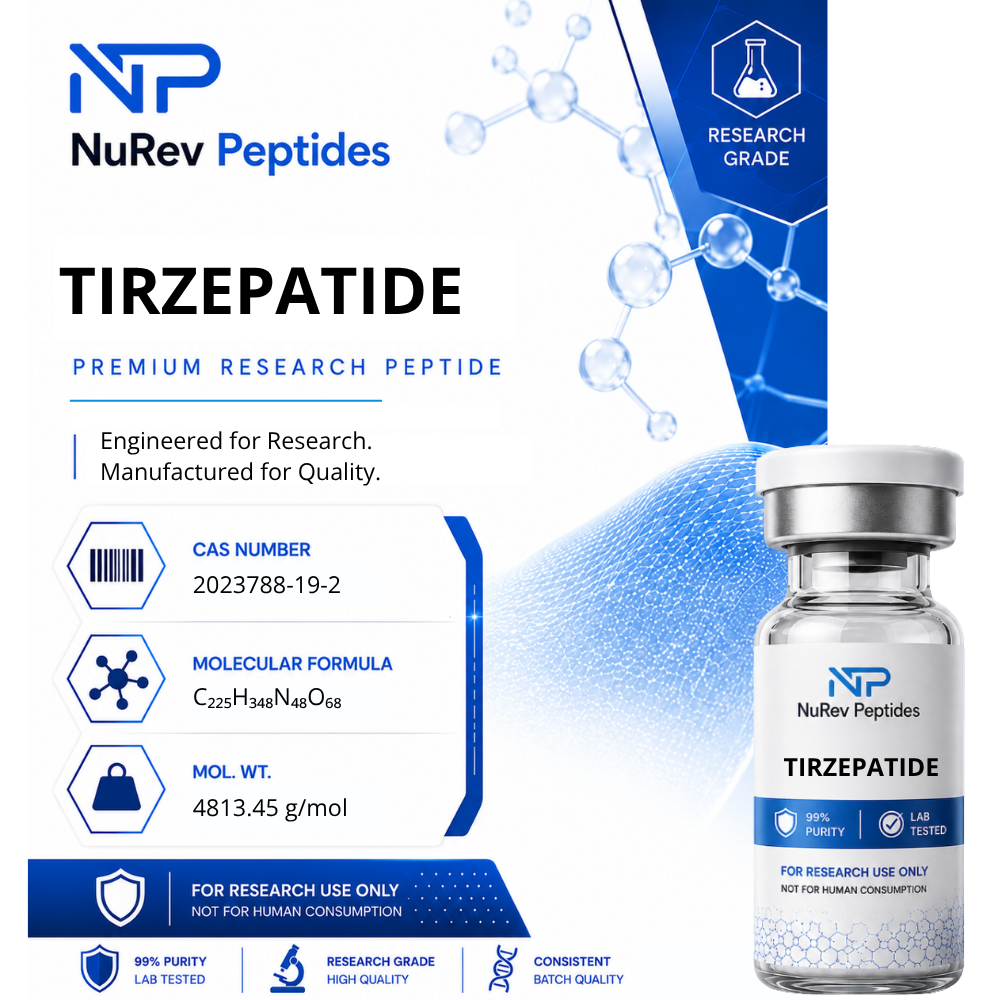
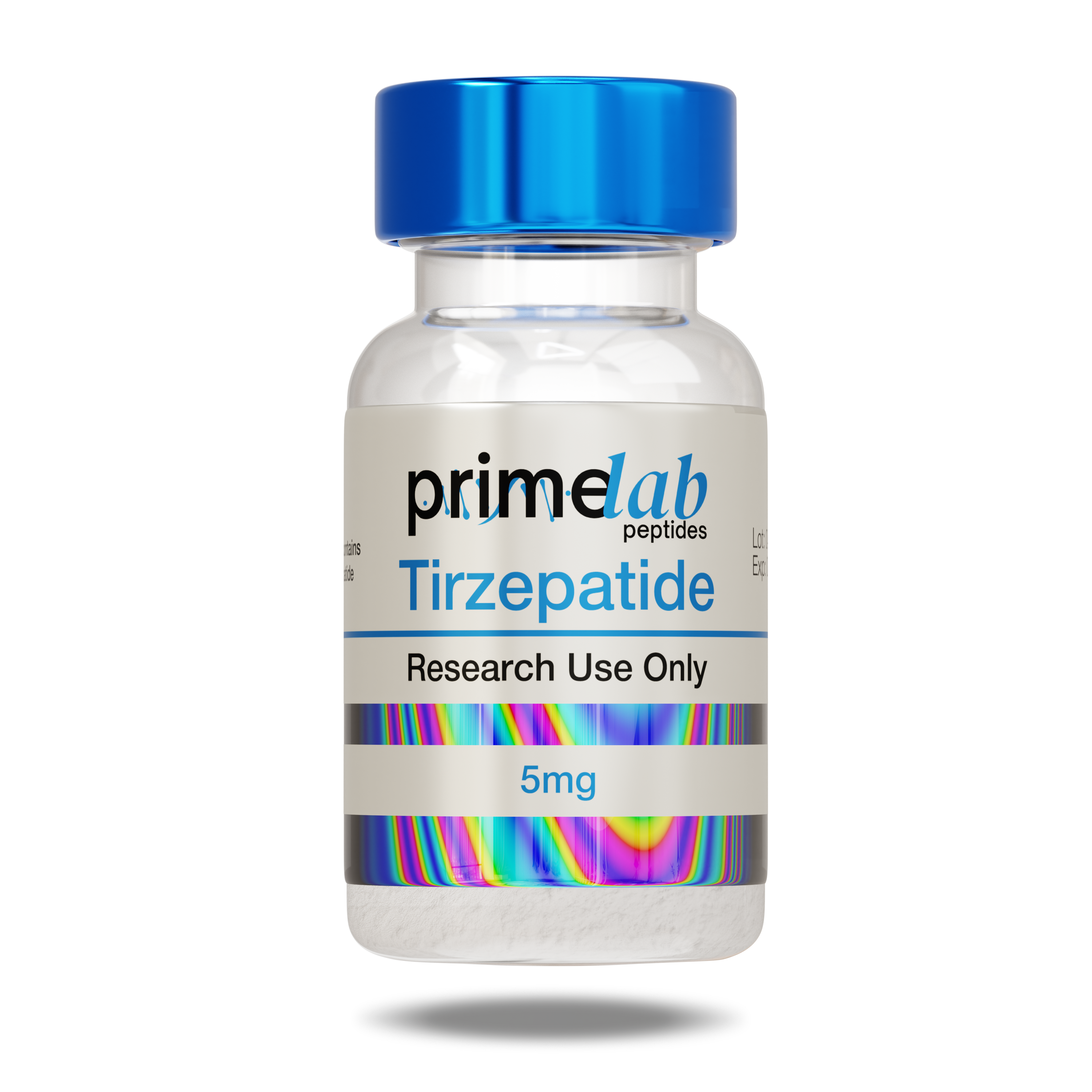
These are short synthetic peptide sequences from families studied in laboratory research, including a copper-binding tripeptide (GHK-Cu), a tripeptide fragment of alpha-melanocyte-stimulating hormone (KPV), and two peptide fragments (BPC-157 and TB-500)
By promoting muscle recovery and peptide synthesis, you can get back to your training regimen faster and stronger
This is possible because we process in house
For related coverage of collagen peptides in skin and joints, see Collagen Peptides for Joint Health and Elastin Peptides
Research shows BPC-157 treatment promotes wound healing by improving the combined mechanisms of collagen synthesis, inflammatory cell recruitment, and blood vessel formation, with these processes appearing at earlier time points and progressing more rapidly than in untreated wounds
Ensuring accurate documentation of symptoms, laboratory findings, and treatment plans is vital for successful reimbursement