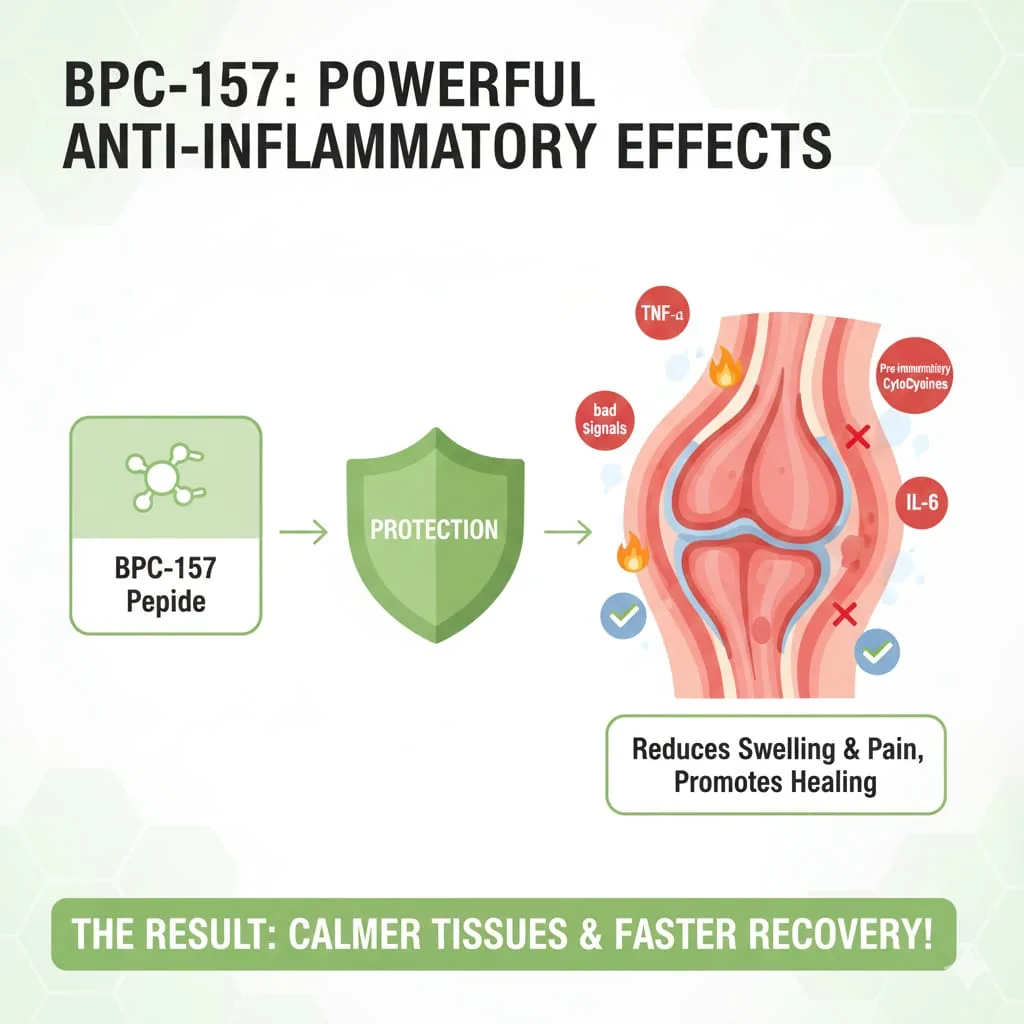
For Injury Recovery and Joint Health BPC-157 has the stronger evidence base for direct tissue healing
(1) The researchers performed docking simulations and suggested that the tripeptide may form stable binding poses with VEGFR-2 through multiple hydrogen bonds, including interactions with residues such as LEU-37, LYS-117, CYS-116, and ASN-120
Orders ship with tracking from Florida, North Carolina, or California warehouses

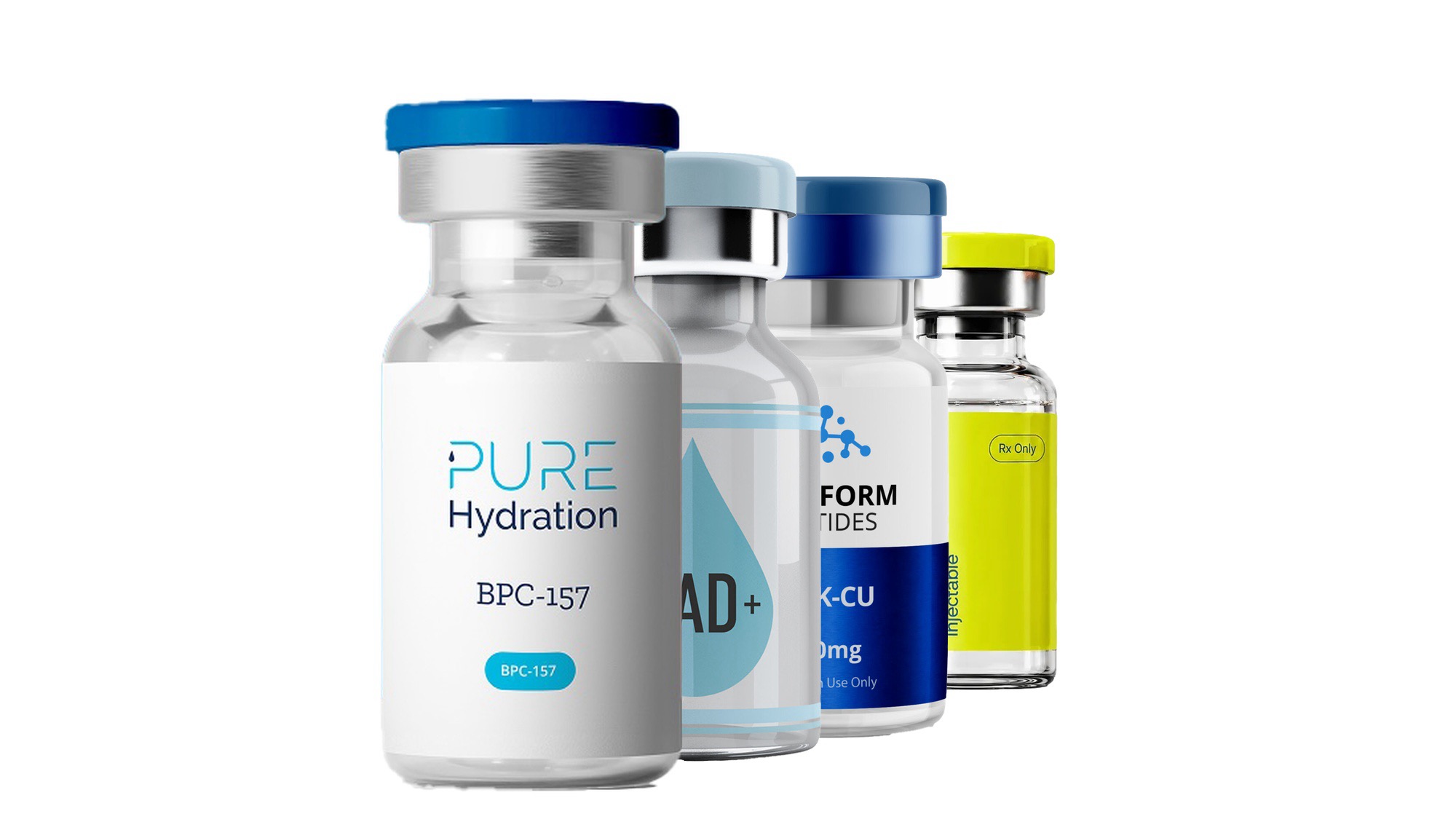
BENEFITS Tissue repair studied for accelerating recovery in tendon, ligament, and muscle models Gut protection explored for protective effects on gastric and intestinal lining Angiogenesis linked to promotion of new blood vessel formation in healing tissues Anti-inflammatory associated with reduction of inflammatory markers in preclinical research Neuroprotection investigated for potential nerve regeneration pathways WHAT RESEARCHERS LOOK AT Angiogenesis and vascularization in connective tissue recovery Fibroblast migration and collagen deposition pathways Gastric and intestinal lining protection in animal models Neuroprotective and anti-inflammatory signaling cascades Synergistic effects when combined with TB-500 (Thymosin Beta-4) QUICK SPECS Form: Lyophilized peptide powder Net per vial: 20 mg Purity: 99% (HPLC verified) Identity: MS-verified (per COA) Storage: 28C, protect from light and moisture Reconstitution: Use bacteriostatic water (sold separately) IDENTITY BASICS Sequence: Gly-Glu-Pro-Pro-Pro-Gly-Lys-Pro-Ala-Asp-Asp-Ala-Gly-Leu-Val Molecular Formula: CHNO Molecular Weight: 1419.53 g/mol CAS: 137525-51-0 WHY CHOOSE DURHAM PEPTIDES FOR BPC-157

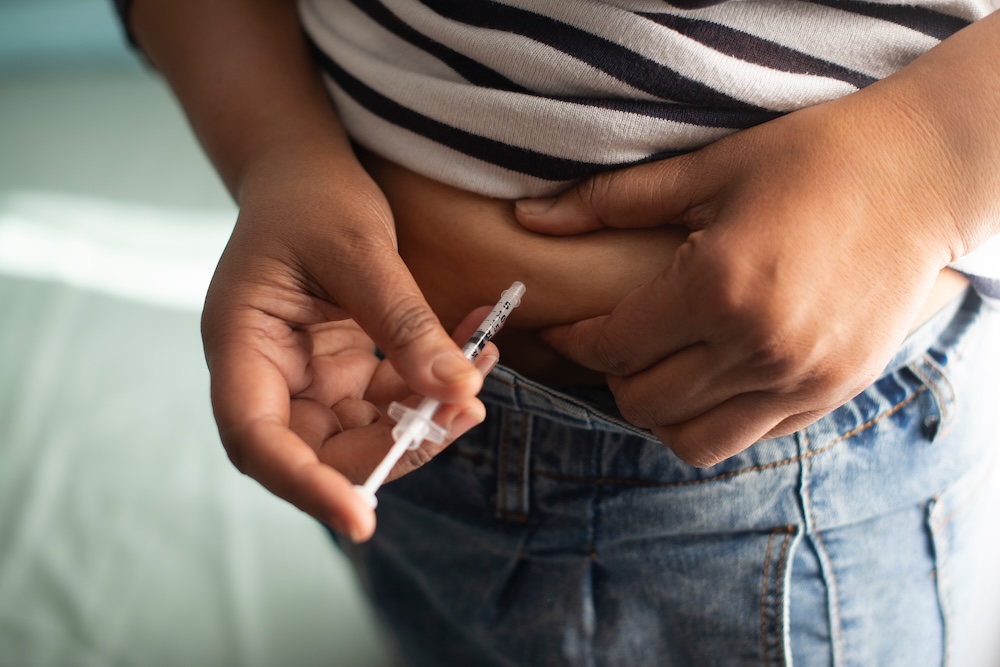
BPC-157 achieves higher bioavailability and effectiveness compared to oral consumption bypassing the digestive system and entering directly into the bloodstream through subcutaneous or intramuscular administration
Each product is manufactured with a focus on purity, molecular integrity, and batch consistency